
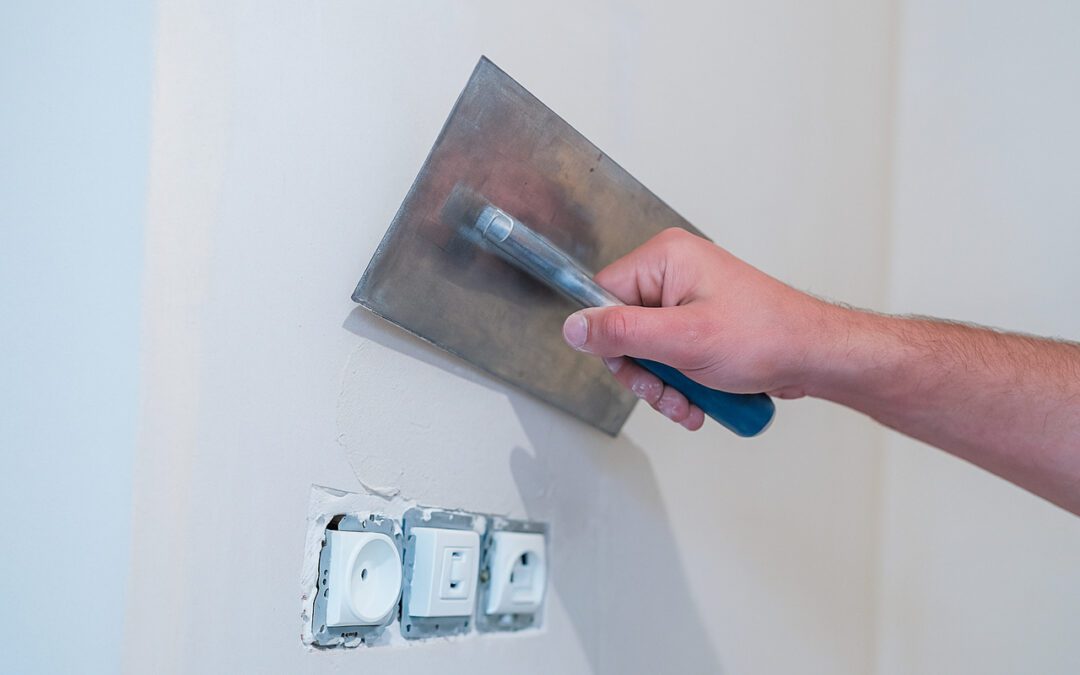
The first factor is preparation. Old plasterboard may have joints, screws, or damaged areas that need filling or sanding. Proper preparation ensures the skim coat adheres correctly and produces a uniform finish. Poor preparation can lead to cracking or uneven surfaces, requiring rework and additional cost.
Room size and ceiling height affect the overall price. Larger rooms require more plaster and labour, while high ceilings or awkward corners add time and effort. Homes with multiple rooms or features such as alcoves will also increase the project cost.
Material choice influences pricing. Standard plaster is suitable for most walls, but premium skimming plaster offers a smoother finish and greater durability. High-quality materials reduce the risk of imperfections and make the finish last longer.
Labour costs are determined by experience, skill, and complexity of the job. Professional plasterers work efficiently and deliver consistent results. Hiring an inexperienced tradesperson may save money upfront but could result in uneven finishes or delays, increasing costs over time.
Access and logistics are additional considerations. Tight spaces, staircases, or high areas may require scaffolding or ladders, affecting labour costs. Timing and project urgency also play a role, with rush work or weekend projects generally costing more.
When obtaining quotes, ask for a full breakdown covering labour, materials, and preparation. This ensures transparency and allows you to make an informed decision.
Skimming over old plasterboard enhances the appearance of your walls and ceilings, creating a smooth surface ready for painting or wallpapering. Understanding the cost factors helps homeowners plan effectively and hire a plasterer who delivers a high-quality, long-lasting finish.