
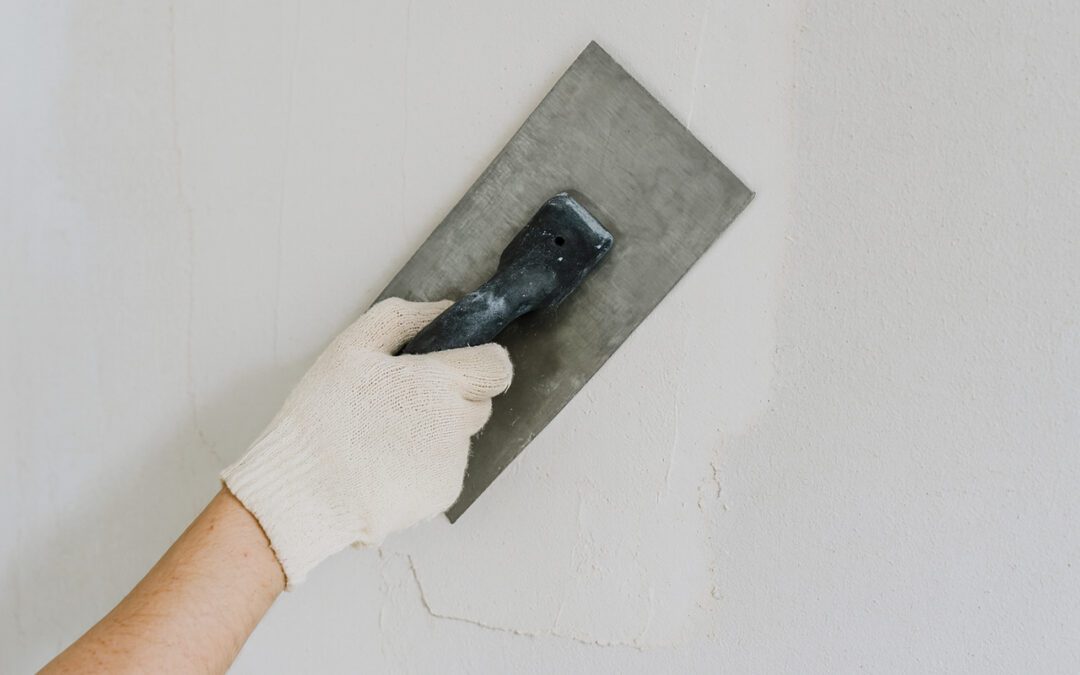
The first cost factor is preparation. Ceilings with cracks, water damage, or uneven surfaces require extra work, including filling, sanding, or applying a base coat. Proper preparation ensures a smooth, durable finish and reduces the risk of cracks or sagging over time.
Ceiling size and height also influence pricing. Larger rooms naturally require more plaster and labour. High ceilings or those with architectural features such as beams, coving, or cornices add complexity, increasing the overall cost.
Material choice impacts the final quote. Standard plaster is commonly used for ceilings, but premium or decorative plasters may be required for a high-end finish. Specialist plasters provide a smooth, professional look but add to material and labour costs.
Labour is a significant component of ceiling plastering costs. Experienced plasterers work efficiently and achieve a high-quality finish, reducing the likelihood of mistakes. Inexperienced tradespeople may struggle with large ceilings or intricate details, potentially leading to rework and higher costs.
Access and logistics affect pricing. Scaffolding, ladders, or restricted spaces can add time and expense. Timing can also influence costs; urgent jobs or weekend work usually incur higher charges.
When requesting a quote, ask for a breakdown of labour, materials, preparation, and any additional services. Transparency ensures you understand exactly what you are paying for and helps you compare multiple plasterers effectively.
Understanding ceiling plastering costs allows homeowners to budget accurately and hire a professional who delivers a flawless, long-lasting finish. Proper planning and clear communication ensure the project runs smoothly and enhances the appearance of your home.