
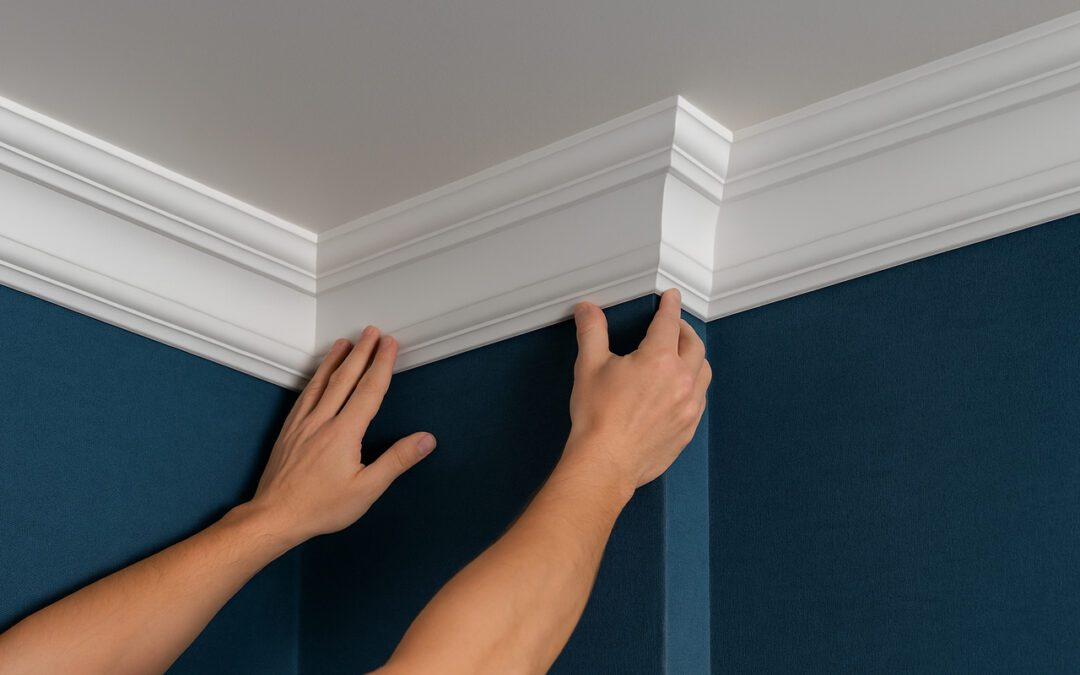
The first factor is material choice. Polystyrene coving is lightweight, affordable, and easy to install. Plaster coving is more durable, offers a premium finish, and can be painted or finished to match the room. Polyurethane or MDF options are also available, each with different cost implications.
Room size and complexity impact pricing. Large rooms or multiple areas require more material and labour. Cornices with intricate patterns or ornate designs take longer to install and therefore cost more. Features such as high ceilings, angles, or curves may require extra preparation and expertise, further influencing the price.
Labour costs vary depending on experience, skill level, and location. Experienced plasterers install coving and cornicing efficiently, ensuring precise alignment, smooth finishes, and neat corners. Inexperienced installers may take longer, risk mistakes, or produce a substandard finish.
Preparation is another factor. Walls and ceilings must be clean, smooth, and level before installation. Poor preparation can lead to gaps, uneven joints, or cracks, affecting the final appearance.
When requesting quotes, ask for a detailed breakdown covering materials, labour, and any additional services such as painting or cleanup. Understanding these factors helps homeowners budget accurately and choose the right installer. Proper planning and professional installation result in elegant, long-lasting coving and cornicing that enhances the overall look of your home.