
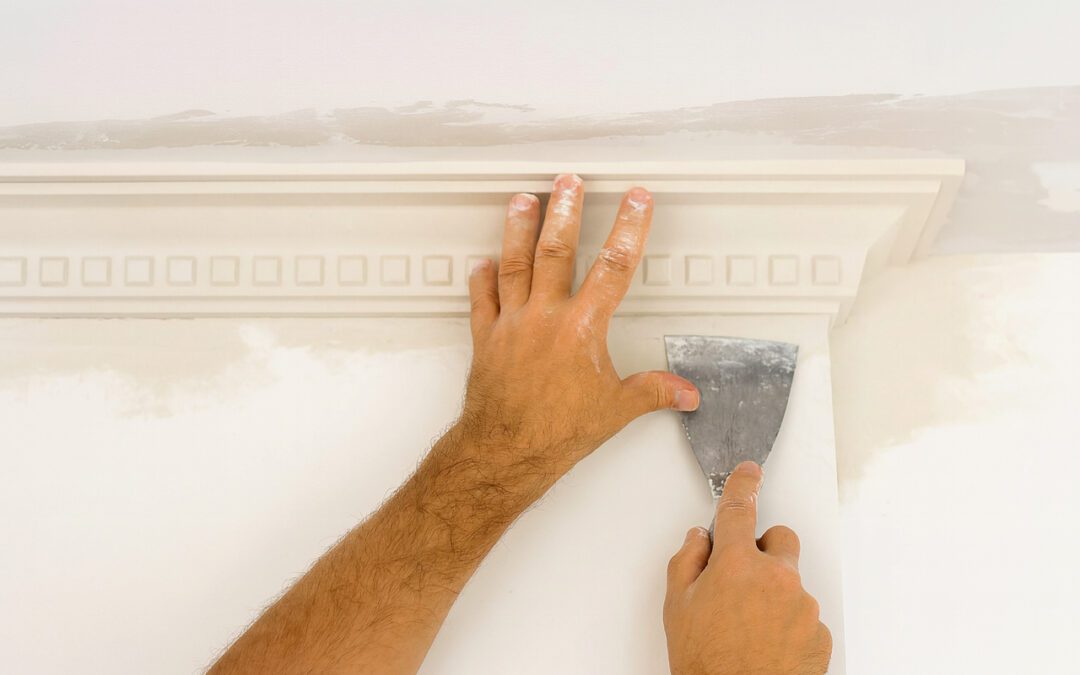
Material choice is the first consideration. Polystyrene coving is lightweight, easy to install, and affordable, while plaster coving is more durable and provides a premium finish. Polyurethane and MDF options are also available, with varying prices depending on quality and durability.
Room size and design complexity impact costs. Larger rooms require more material and labour. Cornices with ornate or intricate designs take longer to install and require skilled craftsmanship, increasing the overall price. High ceilings or challenging angles may also affect cost due to additional preparation or scaffolding.
Labour is a significant factor. Experienced plasterers ensure neat, precise joints, smooth surfaces, and consistent alignment. Inexperienced installers may make mistakes, resulting in gaps, uneven edges, or a poor finish, potentially adding extra costs for corrections.
Preparation affects the overall price. Walls and ceilings must be clean, level, and free of damage before installation. Poor preparation can lead to imperfect adhesion and a substandard finish, so it is a worthwhile investment.
Requesting a detailed quote that covers materials, labour, preparation, and any additional services ensures transparency and helps homeowners compare multiple installers effectively.
By understanding these cost factors, homeowners can budget confidently and hire a professional who delivers precise, high-quality coving and cornicing. Proper installation enhances the look and value of your home while providing a durable and visually appealing finish.