
Skimming vs Full Plaster: Which Is Right for Your Home
Understanding the difference between skimming and full plastering helps homeowners choose the right method for walls and ceilings. Both have benefits, but suitability depends on room condition and desired finish.
Skimming
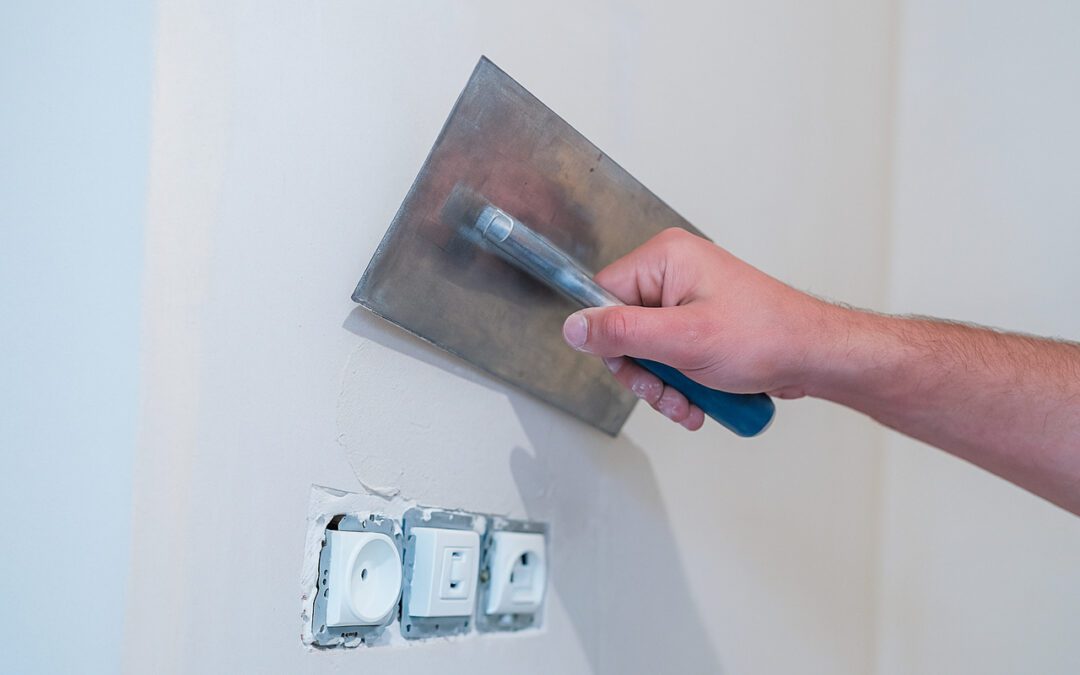
Skimming applies a thin plaster layer over existing surfaces. Ideal for minor imperfections, skimming smooths walls without extensive work.
- Pros: Quick, cost-effective, covers small cracks
- Cons: Limited for severely damaged walls
- Costs: See cost of skimming walls and ceilings
Full Plastering
Full plastering replaces or re-coats walls with several plaster layers. It is suitable for bare walls, severe damage, or decorative finishes.
- Pros: Smooth, durable, allows decorative finishes
- Cons: More expensive and time-consuming
- Compare with drywall: plastering vs drywall
Choosing the Right Method
- Minor cracks: Skimming is sufficient
- Damaged or uneven walls: Full plastering is better
- Professional assessment ensures the best approach
Conclusion
Both skimming and full plastering have advantages. Professionals evaluate wall condition to recommend the best solution. Request a quote to achieve a smooth, durable finish for your home.