
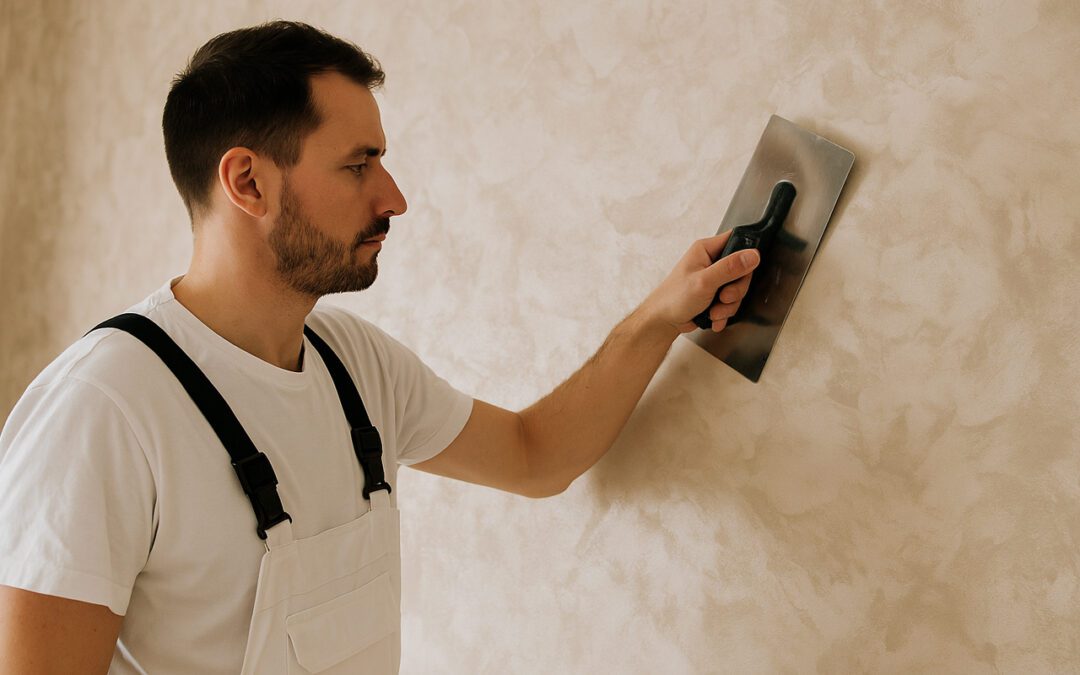
The first step is preparation. The plasterer will protect your floors, furniture, and fittings using dust sheets or plastic sheeting. Walls are then assessed for cracks, damp patches, or uneven surfaces. Any defects are repaired, and surfaces are primed to ensure proper adhesion of the plaster. Proper preparation is crucial for a durable and professional finish.
Next comes the base coat, which provides a strong foundation for the final finish. This layer is applied evenly across walls and ceilings, ensuring a smooth surface for the finishing coat. Once the base coat sets, a finishing coat is applied. This coat is worked carefully to achieve a flawless, even surface. The plasterer may use trowels, floats, or sponges to create the desired texture and finish.
Drying time is a key consideration. Plaster may feel dry to the touch after a few hours, but full curing can take several days. Painting or wallpapering too soon can result in cracking or peeling. Discuss drying times with your plasterer to plan your project schedule effectively.
After plastering, the team cleans the area and removes debris. Any minor imperfections are corrected, and the finished surface is inspected to ensure it meets the expected standard. Good plasterers maintain a tidy workspace and respect your home throughout the process.
Homeowners should also expect clear communication throughout the project. The plasterer should explain the process, provide guidance on preparation, and answer questions about materials and finishes. This helps you feel confident in the work being carried out and ensures that the final result meets your expectations.
By knowing what to expect during a plastering job, you can plan effectively, protect your home, and ensure a professional, high-quality finish. Understanding each stage of the process also reduces stress and helps you make informed decisions along the way.